
Bitcoin for Beginners: Everything You Need to Know

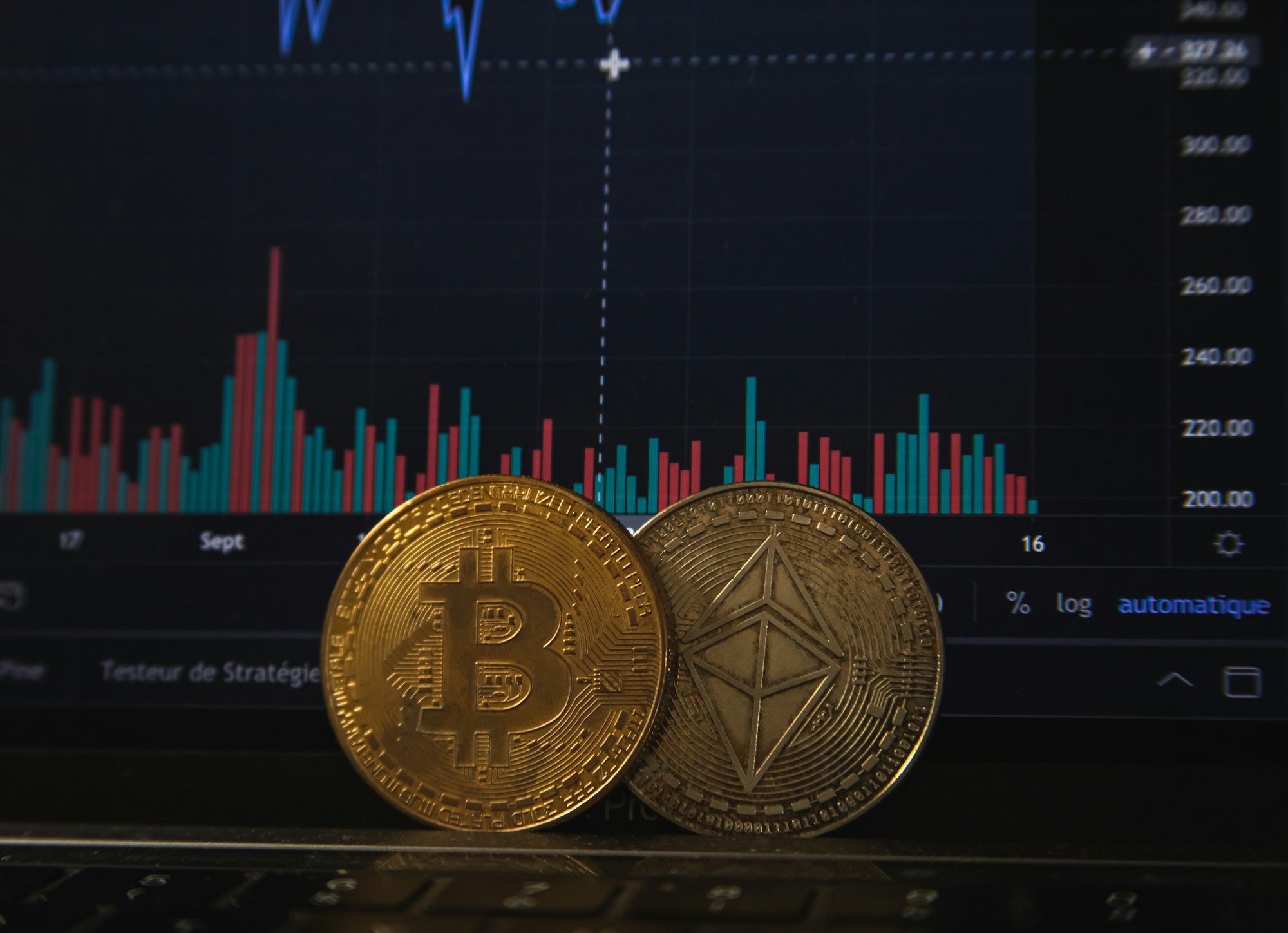
If you're new to Bitcoin and feeling overwhelmed by the jargon, you're in the right place. This guide cuts through the noise and gives you a clear, practical foundation — from what Bitcoin is to how to safely buy and store it.
What Is Bitcoin? (Really Simply)
Bitcoin is digital money that no government or bank controls. It was created in 2009 by someone called Satoshi Nakamoto (whose real identity is still unknown). There will only ever be 21 million bitcoins — ever. You can send it to anyone in the world in minutes, for a small fee, without asking anyone's permission.
Think of it like digital gold: scarce, durable, and not controlled by any government.
For a deeper dive: What is Bitcoin?
Key Terms You Need to Know
- BTC: The ticker symbol for bitcoin (like USD for US dollars)
- Satoshi (sat): The smallest unit of bitcoin — 0.00000001 BTC. You can buy a fraction.
- Blockchain: The public ledger recording every Bitcoin transaction ever made
- Wallet: Software or hardware that stores your private keys
- Private key: The secret proving you own your bitcoin. Never share this.
- Seed phrase: 12-24 words that back up your entire wallet. Guard these with your life.
- Exchange: A platform where you buy and sell bitcoin with regular currency
- Self-custody: Holding your own private keys (as opposed to leaving bitcoin on an exchange)
Step 1: Understand What You're Buying
Bitcoin is volatile. It's common for it to drop 30-50% in a matter of weeks, and major bear markets have seen 80%+ drawdowns. This is normal for Bitcoin and has happened multiple times. The people who've made life-changing returns on Bitcoin are those who bought and held through the dips.
Before you buy anything, ask yourself: If this fell 50% tomorrow, would I panic and sell? If the answer is yes, start with a very small amount.
Step 2: Choose an Exchange
The easiest way to buy bitcoin is through a regulated exchange. Popular options include:
- Coinbase: Most beginner-friendly. Great app, simple UI. See our Coinbase review.
- Kraken: Lower fees, more features, trusted globally. See our Kraken review.
- Your local exchange: Depending on your country — see our guides for UK, Australia, and Canada.
Sign up, verify your identity (exchanges are legally required to do this), and add a payment method.
Step 3: Buy Your First Bitcoin
You don't need to buy a whole bitcoin — you can buy $20 worth, $50, whatever you're comfortable with. On most exchanges:
- Go to Buy
- Select Bitcoin (BTC)
- Enter the amount in your currency
- Review the fee
- Confirm
That's it. You own bitcoin. It will appear in your exchange account immediately.
Full guide: how to buy bitcoin.
Step 4: Learn About Self-Custody
For small amounts, leaving bitcoin on the exchange is fine to start with. But for any significant amount you plan to hold long-term, you should learn about self-custody — holding your own private keys using a hardware wallet.
The phrase "not your keys, not your coins" captures this: if the exchange holds the keys, they control your bitcoin. Exchange failures happen. Hardware wallets ensure you're in control.
The Trezor Safe 3 is the best beginner hardware wallet at ~$79. The Ledger Nano S Plus is another solid option.
See our best wallets for beginners guide.
Step 5: Understand the Seed Phrase
When you set up a hardware wallet, it generates a seed phrase — 12 or 24 words. This is your master backup. Write it down on paper. Never photograph it. Store it somewhere safe, separate from the device.
Anyone who has your seed phrase has your bitcoin. Treat it like the combination to a safe that contains your life savings.
See our seed phrase guide for everything you need to know.
Common Beginner Mistakes
- Investing more than you can afford to lose: Start small. Really.
- Buying on hype and selling on fear: The classic way to lose money. Buy gradually, hold patiently.
- Falling for scams: If someone promises guaranteed returns or asks for your seed phrase, it's a scam. Read our scam avoidance guide.
- Forgetting to record your seed phrase: Hardware wallet died? If you have the seed phrase, you're fine. If you don't, your funds are gone.
- Checking the price constantly: This is a fast route to anxiety. Buy, secure it, check in occasionally.
A Simple Beginner Strategy
If you're just starting out, here's a sensible approach:
- Buy a small amount you're comfortable losing (e.g. $100-$500)
- Leave it on the exchange for the first few weeks while you learn
- Set up a hardware wallet and practice sending a small test transaction
- Move your bitcoin to self-custody
- Consider setting up automatic monthly purchases (dollar-cost averaging) — see our DCA guide
- Stop checking the price every day
Bitcoin rewards patience. The people who've done best with it are almost universally those who bought, secured it properly, and didn't panic during downturns.