
Is Bitcoin a Good Investment in 2026?

Bitcoin has been the best-performing asset of the past decade. It's also been one of the most volatile. Whether it's a "good investment" depends heavily on your time horizon, risk tolerance, and financial situation.
The Performance Record
- Every 4-year period in Bitcoin's history has ended higher than it started
- Bitcoin crossed $100,000 for the first time in late 2024
- Bitcoin has outperformed gold, the S&P 500, and virtually every other asset class over any 5+ year window
The Volatility Reality
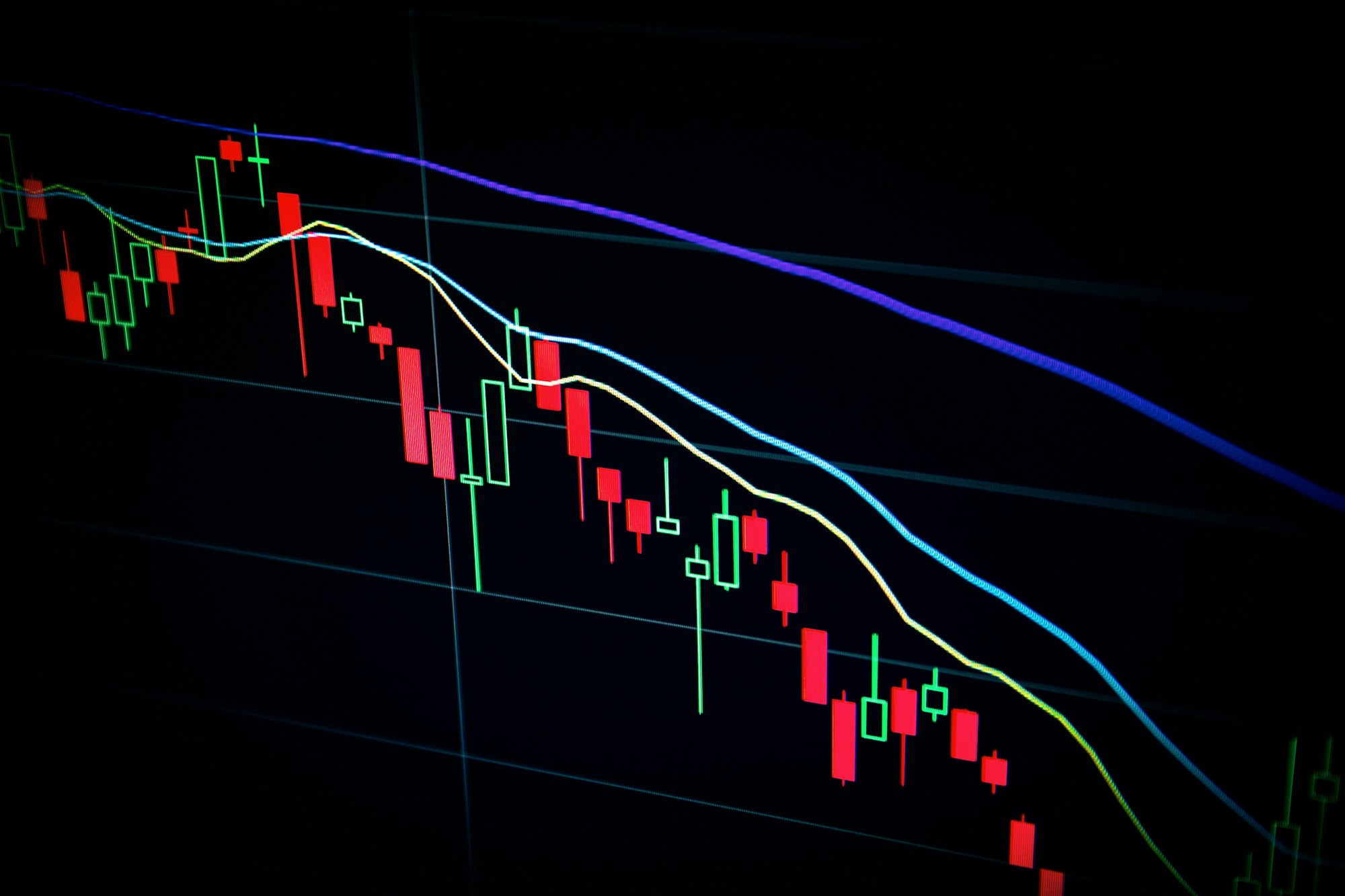
Bitcoin has experienced multiple 80%+ drawdowns. 2017-2018: -84%. 2021-2022: -77%. If you had invested at the 2017 peak, you'd have waited over 3 years just to break even. That requires emotional resilience most investors underestimate.
The Case For Bitcoin
- Fixed supply: Only 21 million bitcoin, ever. Governments can print fiat; they can't print bitcoin.
- Institutional adoption: Bitcoin ETFs launched in January 2024, attracting billions. Pension funds and corporations are allocating.
- Halving cycle: The April 2024 halving historically precedes bull markets. See our halving guide.
- Network effects: Most miners, nodes, liquidity, and recognition of any cryptocurrency.
The Risks
- Volatility: regular 50-80% drawdowns
- Regulatory risk from major jurisdictions
- Technology risk (theoretical quantum computing threat)
- Competition from other cryptocurrencies
How Much Should You Invest?
Common frameworks: conservative (1-2% of net worth), moderate (3-5%), bullish (5-10%+ only if you truly understand volatility). Invest only what you can afford to lose. See our guide: how much bitcoin should I buy?
Dollar-Cost Averaging
For most investors, regular fixed-amount purchases remove the stress of market timing. See our Bitcoin DCA guide.
If You Do Invest: Store It Properly
Buying bitcoin and leaving it on an exchange defeats part of the purpose. Use a hardware wallet for any serious holdings. The Trezor Safe 5 or Ledger are the standard recommendations.
The Bottom Line
Bitcoin has an exceptional long-term record and compelling fundamentals. Treat it as a high-risk, high-potential-reward component of a diversified portfolio — not a substitute for traditional savings.