
Is Bitcoin Safe? What You Need to Know Before You Buy
Bitcoin has survived hacks, crashes, bans, and bear markets. But is it safe? Here is an honest look at the real risks and how to manage them.

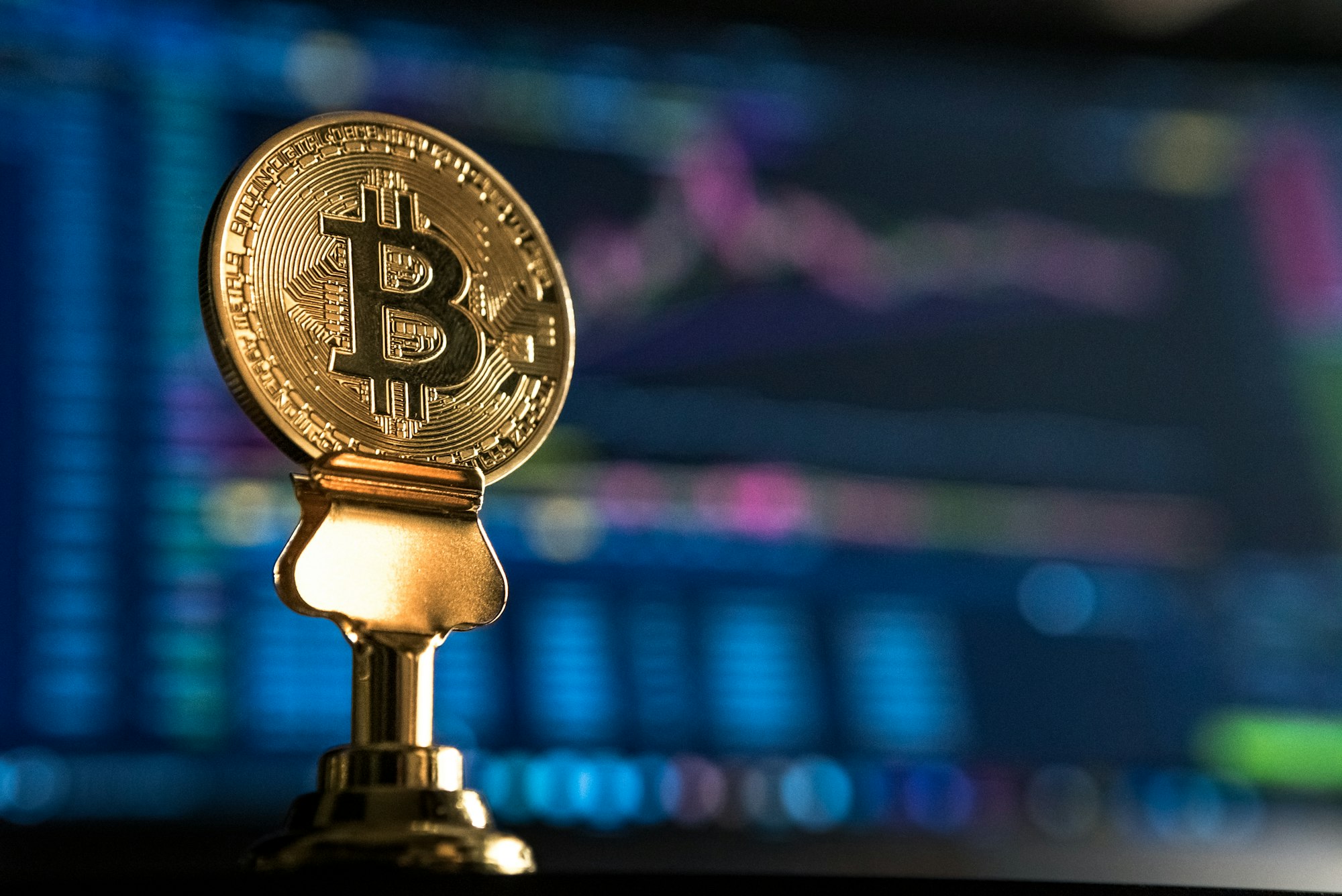
Bitcoin has survived hacks, crashes, bans, and bear markets. But is it safe? Here's an honest look at the real risks — and how to manage them.
If you've been thinking about buying Bitcoin, you've probably heard two very different things. One camp says it's the future of money, a revolutionary store of value that will protect your wealth for decades. The other says it's a speculative bubble, a hacker's playground, and a financial disaster waiting to happen.
The truth, as usual, is somewhere in between — and it depends entirely on what you mean by "safe."
What Does "Safe" Actually Mean for Bitcoin?
Safety in the context of Bitcoin breaks down into several distinct questions:
- Is the Bitcoin network itself secure?
- Can Bitcoin be hacked or shut down?
- Is it safe from inflation and debasement?
- Is your personal Bitcoin safe from theft?
- Is it safe as an investment?
These are very different questions, and they have very different answers.
The Bitcoin Network: Extremely Secure
Let's start with the good news. The Bitcoin network itself is extraordinarily secure. It's protected by proof-of-work mining — a system that requires enormous computational energy to validate transactions and add blocks to the blockchain.
To attack the Bitcoin network (what's called a 51% attack), you would need to control more than half of all the mining power in the world. At current scale, that would cost billions of dollars and require hardware that simply doesn't exist in sufficient quantities. Even then, you could only double-spend recent transactions — you couldn't steal coins, reverse old transactions, or change the rules.
Bitcoin has been running continuously since January 2009, processing billions of dollars in transactions daily. The protocol itself has never been hacked. Not once.
Can Bitcoin Be Banned or Shut Down?
Governments have tried. China has banned Bitcoin multiple times. India has threatened it. Various countries have introduced regulations that restrict access.
And yet Bitcoin keeps running. Because it's decentralised — there's no server to take down, no company to prosecute, no CEO to arrest. As long as people anywhere in the world want to run Bitcoin nodes (and they do), the network continues.
That said, regulation is a real risk. Governments can make it harder to buy, sell, or use Bitcoin — restricting exchanges, blocking payments, requiring identity verification. This doesn't kill Bitcoin, but it can affect liquidity and price significantly.
Is Bitcoin Safe from Inflation?
This is one of Bitcoin's strongest value propositions. There will only ever be 21 million Bitcoin, ever. The supply schedule is hardcoded into the protocol and enforced by every node on the network. No central bank can print more of it.
By contrast, fiat currencies — the pound, dollar, euro — are issued by central banks that have repeatedly expanded the money supply, eroding purchasing power over time.
Whether Bitcoin actually functions as an inflation hedge in practice is more complicated. In the short term, its price is volatile enough to dwarf typical inflation. Over the long term (5–10+ years), the data is more compelling. But it's not a simple "buy Bitcoin and your purchasing power is protected" story in the near term.
Is Your Bitcoin Safe from Theft?
This is where many people run into trouble. And it's the most preventable risk of all.
The biggest threats to individual Bitcoin holders aren't protocol hacks — they're human errors and exchange failures:
Exchange hacks: Exchanges that hold Bitcoin on your behalf have been hacked, collapsed, and defrauded customers. Mt. Gox. FTX. Celsius. QuadrigaCX. Billions of dollars lost. If your Bitcoin sits on an exchange, you're exposed to counterparty risk. Phishing and social engineering: Scammers send fake emails, create fake websites, and call people pretending to be support staff. They steal login credentials and drain wallets. Seed phrase exposure: If you hold your own Bitcoin in a wallet, the 12 or 24-word seed phrase is the master key. Anyone who has it can take your Bitcoin. Anyone who loses it can never recover it. Malware: Keyloggers and clipboard hijackers can steal wallet credentials or swap out Bitcoin addresses when you're sending funds.
How to Protect Yourself
The single most important thing you can do is take Bitcoin off exchanges and into self-custody — a wallet you control. And the gold standard for self-custody is a hardware wallet.
A hardware wallet stores your private keys on a dedicated device that never exposes them to the internet. Even if your computer is compromised, your Bitcoin stays safe.
For most people, a Trezor or Ledger is the right answer. We use and recommend both. The Trezor Safe 5 is our top pick for Bitcoin-only users who want maximum security. The Ledger Flex is excellent if you want a touchscreen and support for multiple assets.
Whatever wallet you choose:
- Write down your seed phrase on paper (never digitally)
- Store it somewhere safe, away from the device
- Never enter your seed phrase into any website or app
- Verify your receive address on the device screen before sharing it
Is Bitcoin Safe as an Investment?
Honest answer: it's volatile, and you should only invest what you can afford to lose.
Bitcoin has lost 80%+ of its value in previous bear markets — in 2018, in 2022, and earlier cycles. It has also recovered and gone on to new all-time highs every time. But past performance is not a guarantee, and the timing of those recoveries has varied significantly.
What most seasoned Bitcoin holders agree on:
- Don't put in money you need in the next 1–3 years
- Don't use leverage or borrowed money
- Dollar-cost averaging (buying fixed amounts regularly) reduces the risk of buying at a peak
- Holding long-term (4+ years) has historically rewarded patient investors
The Bottom Line
Bitcoin is safe in some ways — the protocol is robust, decentralised, and censorship-resistant. It's less safe in others — price volatility is real, and self-custody requires discipline.
The biggest risks are human: leaving coins on exchanges, falling for scams, losing seed phrases, or panic-selling during crashes. These are all manageable with the right habits.
If you're serious about Bitcoin, learn the basics of self-custody, use a hardware wallet, and treat your seed phrase like the most important thing you own. Because it is.
Looking for a hardware wallet? Check out our guides to the best Bitcoin hardware wallets and how to set up a Ledger.